
Welcome to Kidspot, New Zealand’s most comprehensive online resource for parents, covering everything from conception through to the teenage years.
Sorry we could not find the page you where looking for, so please take a look at these highly visited pages or use our site search.
Search Our Website
Can't find what you need? Take a moment and do a search below!
Kidspot pages you might like to look at
Protected: Be in to win 1 of 3 copies of The Deadlands: Survival!
There is no excerpt because this is a protected post.
Protected: Book Review | The Deadlands: Survival by Skye Melki-Wegner
There is no excerpt because this is a protected post.

Lulu & The Dance Detectives #3 and #4 | Book Review
The third and fourth books in the Lulu and the Dance Detectives illustrated chapter series are out now! Ideal for dance-mad and confident readers, with every book in the series including a special activity to encourage engagement, there is something for everyone and a whole lot of fun!
Protected: 6 Cool Themes To Makeover Your Child’s Bedroom
There is no excerpt because this is a protected post.

Top 5 Family Activities In Timaru
If you're on the lookout for a family holiday destination with something for every family member, look no further than Timaru District! Discover rich cultural heritage, a plethora of family-friendly activities, and wildlife experiences for a holiday to remember. To inspire your next getaway, check out our top five reasons to treat the family to a holiday in Timaru District.

Family review: artemis Kid’s Settle & Sleep
When the kids get a good, restful night's sleep, everybody wins! But sometimes your child's sleep (and therefore your own) can be elusive or disrupted due to a myriad of reasons. To help Kidspot families to support sleep for their kids, we gave them the opportunity to trial artemis Kid’s Settle & Sleep. Check out their reviews here.

Be in to Win 2 books from the Lulu and the Dance Detectives series
Win a copy of Lulu and the Dance Detectives #3: The Doggy Disco Hoax and Lulu and the Dance Detectives #4: Ravenous Rooster Stake-out.
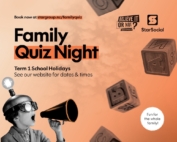
Family Quiz Night is back! Win 1 of 2 $150 Star Group vouchers!
Family Quiz Night is back these school holidays! Win 1 of 2 $150 Star Group vouchers! Get ready for some kid-friendly quizzes that the whole family can enjoy.

Be in to win 1 of 3 copies of Finding Bear!
The unmissable follow-up to the phenomenal bestselling and award-winning The Last Bear. Perfect for readers 8+ with an interest in animals and our environment.

Autumn Weekend Adventures In Kaikōura
Whether it be on land, by sea, or in the air, Kaikōura’s unique mountain and ocean environment offers nature's ultimate playground for families to explore. The region has plenty of guided and free scenic land-based activities along with unique marine wildlife encounters all year round. Enjoy a three-day weekend in Kaikōura with this suggested itinerary for the perfect family short break.