
Welcome to Kidspot, New Zealand’s most comprehensive online resource for parents, covering everything from conception through to the teenage years.
Sorry we could not find the page you where looking for, so please take a look at these highly visited pages or use our site search.
Search Our Website
Can't find what you need? Take a moment and do a search below!
Kidspot pages you might like to look at
Protected: Ready, Set Go For Fun & Fitness at MOTAT’s Sports Tech
There is no excerpt because this is a protected post.
Protected: 8 Reasons Why We Love Garfield More Than Mondays
There is no excerpt because this is a protected post.
Protected: The Garfield Movie: 5 Fun Activity Sheets
There is no excerpt because this is a protected post.
Protected: Garfield’s Favourite Dinners That The Family Will Love Too
There is no excerpt because this is a protected post.
Protected: Rēwena Bread
There is no excerpt because this is a protected post.
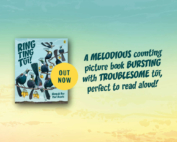
Ring Ting Tūī by Elena de Roo & Paul Beavis | Book Review
A melodious counting picture book bursting with troublesome tūī, perfect to read aloud! In "Ring Ting Tūī", the familiar antics of one of New Zealand’s favourite native birds have been captured by award-winning picture book creators Elena de Roo and Paul Beavis.

Be in to win 1 of 3 copies of The Deadlands: Survival!
Dinosaurs fight for survival in The Deadlands: Survival, book 3 of this action-packed new middle-grade series. Jurassic Park – from the dinosaurs' point of view!

Book Review | The Deadlands: Survival by Skye Melki-Wegner
"The Deadlands: Survival" is the third book in this epic, adventurous dinosaur series and is out now! Dinosaurs fight for survival in this action-packed, middle-grade series. It's Jurassic Park from the dinosaurs' point of view! Perfect for readers 9+ and the dinosaur-obsessed. Keep reading to find out how to win a copy!
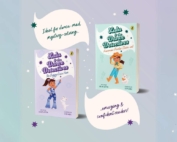
Lulu & The Dance Detectives #3 and #4 | Book Review
The third and fourth books in the Lulu and the Dance Detectives illustrated chapter series are out now! Ideal for dance-mad and confident readers, with every book in the series including a special activity to encourage engagement, there is something for everyone and a whole lot of fun!
Protected: 6 Cool Themes To Makeover Your Child’s Bedroom
There is no excerpt because this is a protected post.